7-Eleven Protein Shakes & Bars, Ranked
Not all "protein" drinks are protein. Here's how to pick the ones that actually help, and the sugar traps to leave on the shelf.
The protein-drink shelf is where good intentions go to die. The marketing screams "protein"; the label often whispers "and 30 g of sugar". One rule sorts it instantly.
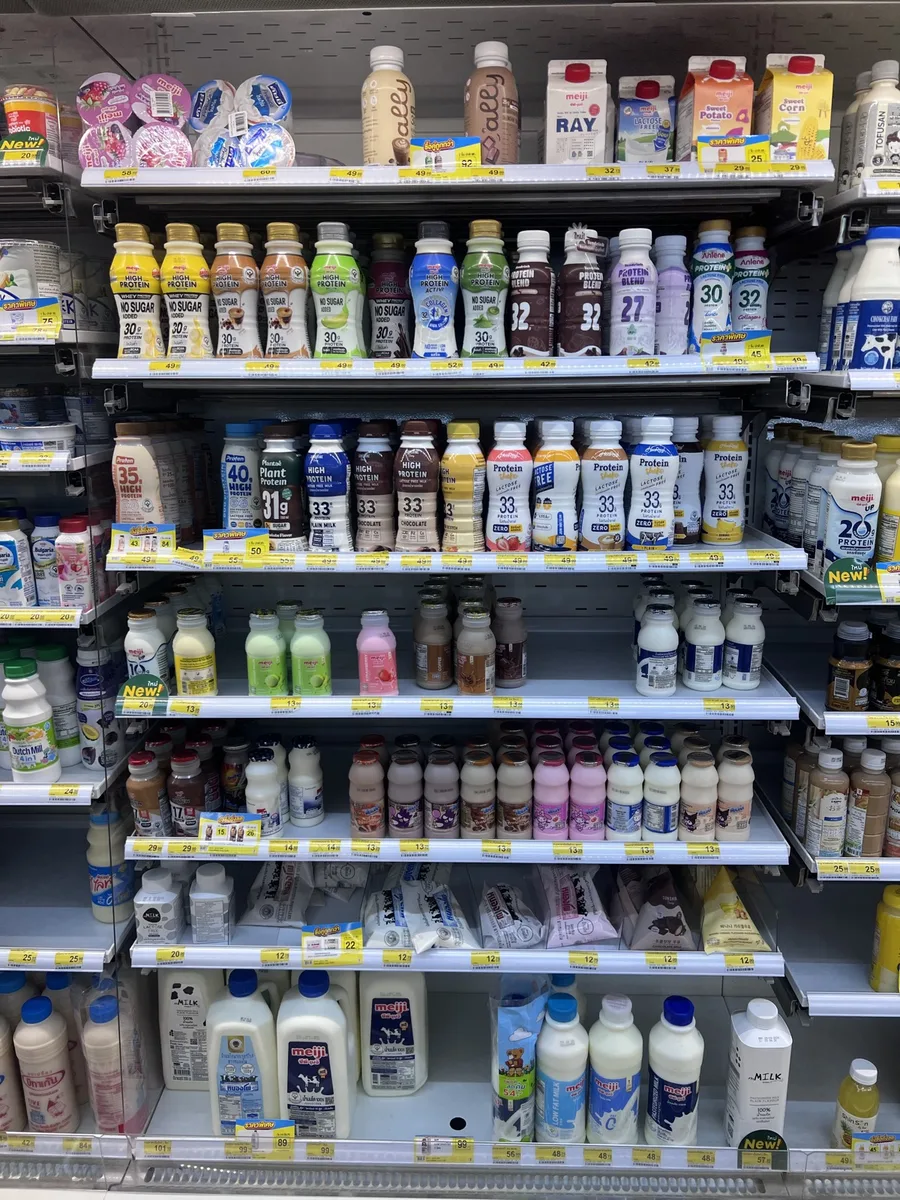
The only rule: protein > sugar
Flip the bottle. Compare grams of protein to grams of sugar. If sugar wins, it's a dessert. If protein wins, it earns a place in your basket.
The picks worth grabbing
- Meiji High Protein milk, ~20 g protein, low sugar. The benchmark. Excellent when solid food feels like too much.
- Plain Greek yogurt (not the drinkable sweetened kind), ~15 g protein, thick and filling.
- Soy milk, unsweetened, a solid plant option; check it's the no-sugar version.
Bars: handle with care
Most "energy" bars are candy. The few legitimate protein bars are useful as an emergency, not a staple, they're easy to over-eat and rarely as filling as real food. Treat a bar as a backup when no chicken/eggs/yogurt is in reach.
Stop deciding what to eat.
The 711 Diet is the physician-built system: which exact 7-Eleven products to grab, in which combo, at which calorie tier. No cooking, no tracking, no willpower.
Get The 711 Diet Protocol →What is the best protein shake at 7-Eleven in Thailand?
Meiji High Protein milk, around 20 g of protein with low sugar. It's the most reliable pick and easy to digest.
Are 7-Eleven protein bars good for weight loss?
Only the ones where protein exceeds sugar. Most bars are closer to candy; use a real protein bar as an occasional backup, not a daily staple.
How do I avoid the sugar trap?
Compare protein grams to sugar grams on the label. If sugar is higher, put it back.
Educational content, not medical advice. Macros are approximate and vary by 7-Eleven Thailand product batch. If you use GLP-1 medication, keep working with your prescribing doctor.