Cortisol Belly: Is It Real or Just Marketing?
Here is the straight answer: the "cortisol belly" sold by supplement ads is mostly marketing. Cortisol really does affect how your body stores fat, but it only causes a distinctive belly in rare medical cases. For a normal stressed person, belly fat is just ordinary fat.
If you searched is cortisol belly actually a thing, you have probably seen an ad with a "before and after" stomach and a bottle that promises to "block cortisol" and melt the fat. I want to give you the honest version, because the truth is more useful than the pitch.
Cortisol is a real hormone with real effects on fat. That part is not made up. But the leap from "cortisol affects fat" to "your belly is a special cortisol fat that needs a special pill" is where the marketing takes over. For the vast majority of people, the fat around the middle is plain old fat that came from eating a bit more than they burned, often while stressed, sleeping badly and moving less. The cortisol is along for the ride. It is rarely the driver.
What cortisol actually does
Cortisol is your main stress hormone. It is not a villain. You need it to wake up, to handle a hard day, to fight infection, to keep blood sugar steady between meals. It rises in the morning, drops at night, and spikes when something demands energy from you.
Cortisol does influence fat. It helps release stored energy when you are under pressure, and over time, higher cortisol exposure does tend to favor fat storage in the abdomen, including the deeper visceral fat around the organs. So the hormone has a genuine link to where fat sits. That much is true and worth knowing.
The catch is dose and duration. The normal ups and downs of a stressful week do not flood you with enough cortisol to create a unique, stubborn belly that diet cannot touch. Your body is well buffered. A bad month at work is not the same as a medical disease of cortisol, and the two get blurred together on purpose in advertising.
When cortisol really causes belly fat (Cushing's, the rare real version)
There is a real condition where cortisol genuinely drives a distinctive belly: Cushing's syndrome. This is when the body is exposed to far too much cortisol for a long time, either from a tumor or, more commonly, from long-term steroid medication.
Cushing's looks different from ordinary weight gain, and it does not come alone. The classic picture includes a rounded "moon" face, a fat pad across the upper back, central weight gain with thinner arms and legs, wide purple stretch marks, skin that bruises easily, muscle weakness, high blood pressure and high blood sugar. It is uncommon, and a doctor diagnoses it with blood and urine tests, not a mirror.
So yes, cortisol can absolutely cause a belly. But when it does, it is a medical syndrome with a cluster of signs, not a vague "I am stressed and my jeans are tight" feeling. If you have those signs, see a doctor. If you do not, you almost certainly do not have a cortisol fat problem. You have a normal one.
Why stress still affects your waistline (indirectly)
Here is where I do not want to dismiss your experience. Stress and a growing belly really do travel together for a lot of people. The link is real. It is just mostly indirect, through behavior rather than through the hormone melting fat onto your stomach.
Chronic stress widens your waist through the boring back door:
- Stress eating: cortisol and stress nudge appetite toward calorie-dense, comforting food. More calories, often without noticing, is the real surplus.
- Bad sleep: stress wrecks sleep, and short sleep raises hunger, lowers willpower the next day, and makes high-calorie food more tempting.
- Less movement: when you are drained, you sit more, walk less, skip workouts. Your daily energy burn quietly drops.
- Alcohol and skipped routines: a hard week often means more drinks and fewer planned meals, which adds up fast.
Notice the theme. Stress changes what you do, and what you do changes your weight. The belly is still ordinary fat from a calorie surplus. Stress just made the surplus easier to fall into. That is good news, because behavior is something you can actually change, unlike a hormone you cannot feel.
Cortisol supplements and "cortisol blockers": do they work?
No. I will be blunt here because the marketing is not. Over-the-counter "cortisol blockers" and cortisol-lowering supplements do not meaningfully reduce belly fat in healthy people. There is no solid evidence behind the before-and-after promise. It is a waste of money.
The pitch works because it removes blame. It says your stomach is not about food or sleep, it is a hormone, and here is the pill. That feels kinder than "eat a little less." But it is not true, and a pill that targets a problem you do not have cannot fix the problem you do have. The only people whose cortisol needs lowering are those with a diagnosed medical condition, and they get real prescription treatment from a doctor, not a capsule from an ad.
If you want to spend money on your midsection, spend it on better sleep, food you will actually eat, and maybe a walking habit. That is not as exciting as a bottle, but it is what works.
Stop guessing what to eat under stress.
The 711 Diet is the physician-built system: which exact convenience-store products to grab, in which combo, at which calorie tier. No cooking, no tracking, no special "cortisol" anything.
Get The 711 Diet Protocol →What actually helps
If the goal is less belly fat, the honest list is unglamorous and it works. None of it requires a supplement.
- Sleep first. Protect seven to nine hours. Better sleep lowers next-day hunger and steadies your decisions. This is the highest-leverage stress fix most people ignore.
- Manage the stress itself. Walks, daylight, training, time off screens, talking to someone. You are not trying to hit zero cortisol, you are trying to stop the all-day grind that drives the eating.
- A small, sustainable calorie deficit. Belly fat leaves the way any fat leaves: a modest deficit held over time. Not a crash, not a cleanse. If you are eating at maintenance and the scale is stuck, that is a different problem, and our calorie deficit not losing weight guide walks through why.
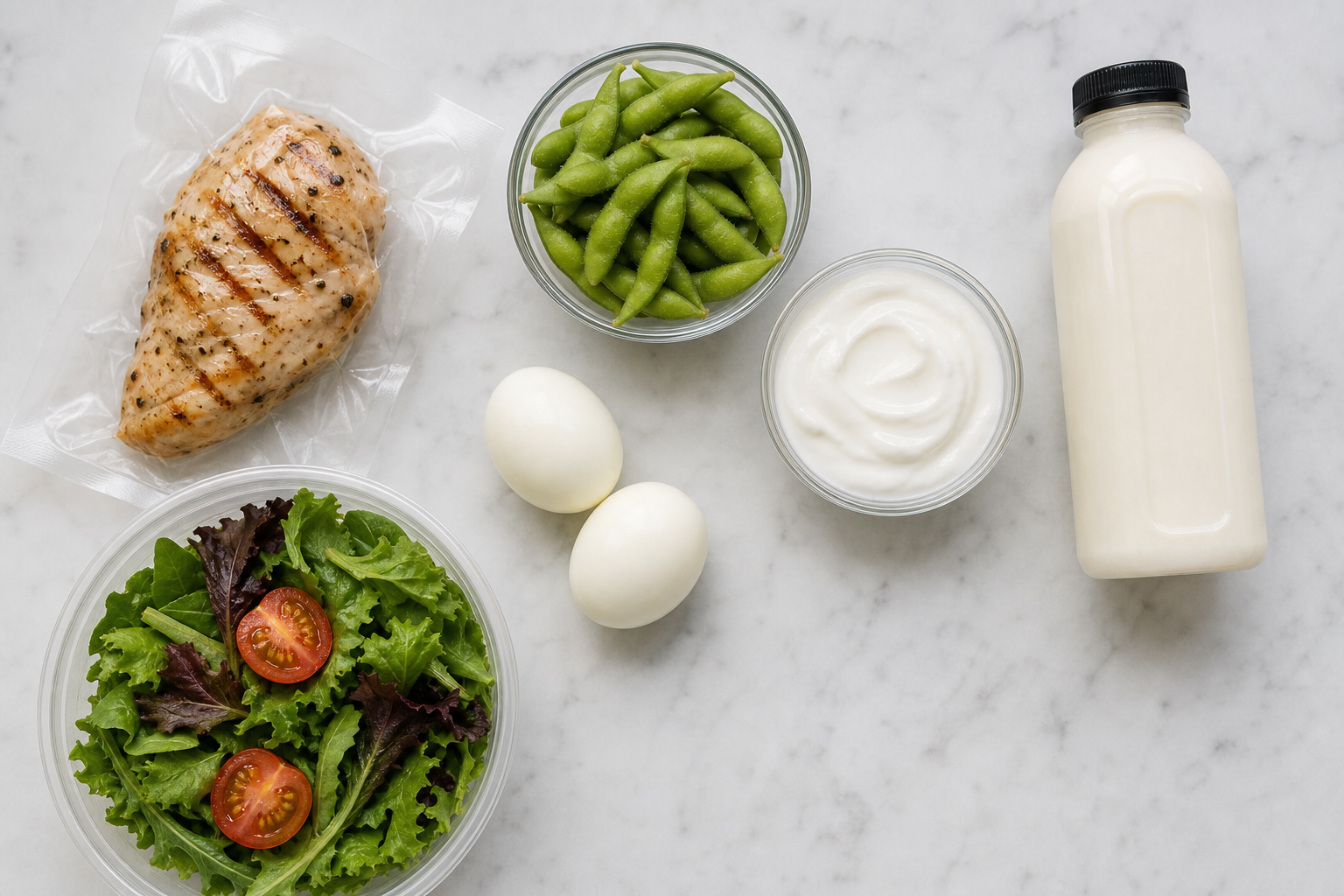
- Enough protein. Protein keeps you full, protects muscle in a deficit, and makes a smaller intake easier to live with. It is the one nutrient worth being deliberate about.
- Move more on the boring days. Daily steps matter more than the occasional brutal workout, especially when you are stressed and short on energy.
One more honest point: you cannot pick where the fat comes off. Stress or no stress, the body decides the order, which is exactly why spot reduction is a myth. You lose overall, and the middle follows. If you are wrestling with loose skin or a stubborn lower section as the weight drops, our guide on how to lose lower belly overhang is the realistic walkthrough.
So, is cortisol belly real? As a marketing category, no. As a hormone with a genuine but limited role, yes. For you, today, the useful move is to treat the fat as ordinary fat, fix the sleep and stress that quietly drive the eating, hold a gentle deficit, and skip the bottle.
Is cortisol belly a real thing?
Mostly it is marketing. Cortisol does affect how and where fat is stored, but it only causes a distinctive belly in rare medical conditions like Cushing's syndrome. For a normally stressed person, the belly is ordinary fat from a small calorie surplus, and stress affects weight mainly through eating, sleep and movement.
Do cortisol blockers or cortisol supplements work for belly fat?
No. There is no good evidence that over-the-counter cortisol blockers or cortisol-lowering supplements reduce belly fat in healthy people. They are a waste of money. Sleep, manageable stress, a modest deficit and enough protein do the real work.
How do I know if my belly fat is from cortisol or just normal fat?
For almost everyone it is normal fat. A true cortisol problem comes with other signs: a rounded face, a fat pad on the upper back, purple stretch marks, easy bruising, muscle weakness and high blood pressure. If you have those, see a doctor. If you do not, treat it as ordinary fat.