Skinny Fat: How to Actually Fix It
Here is the straight answer: "skinny fat" is not a disease and not a metabolism problem. Your weight is fine. You just carry too little muscle and a bit too much fat, so you look soft instead of lean. The fix is not more cardio and not crash dieting. It is lifting and protein, run at roughly maintenance.
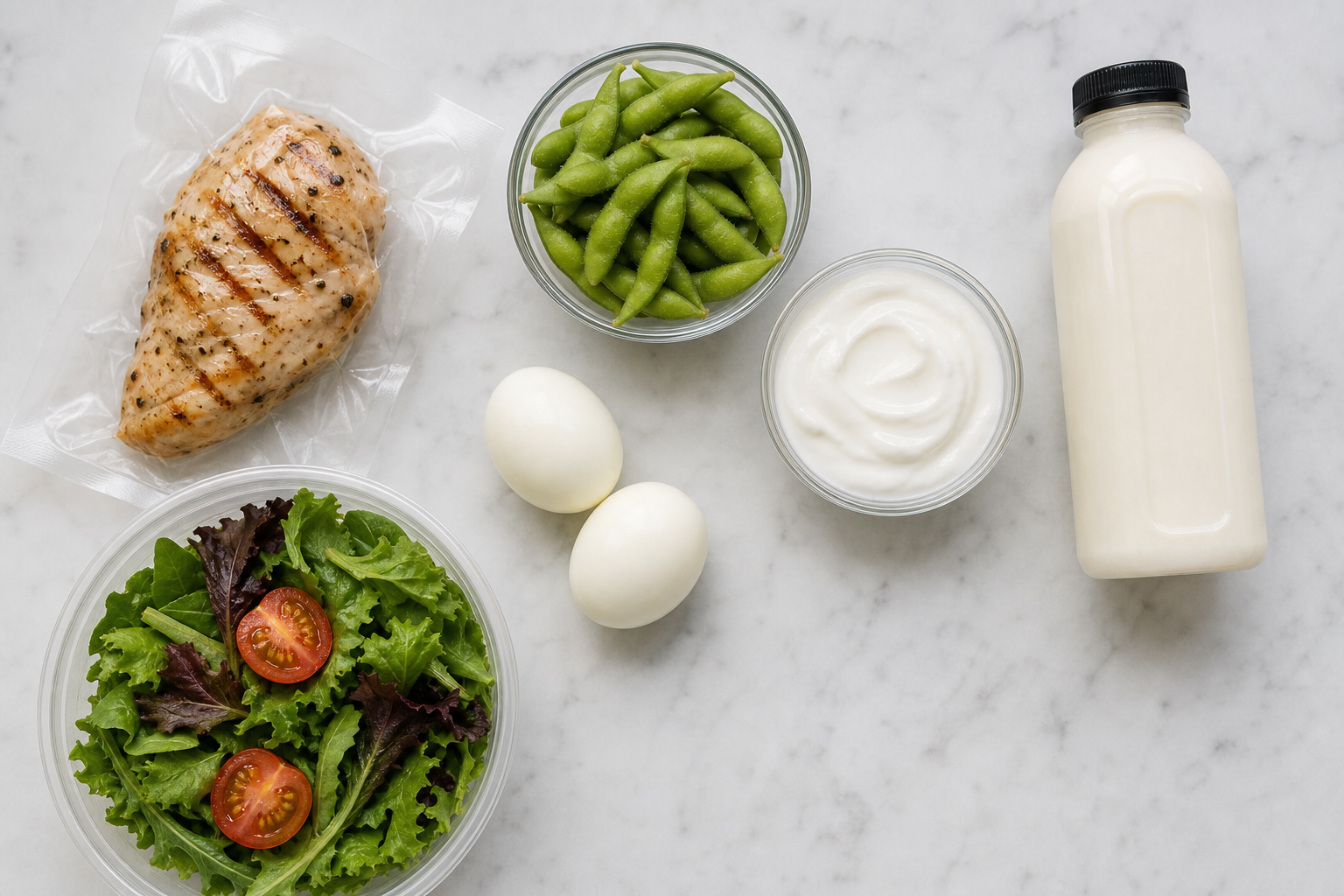
I hear this one a lot, usually with some frustration attached. "My weight is normal, my BMI is fine, but I have no shape. I look soft with my shirt off. What is wrong with me?" Nothing is wrong with you. You have run into one of the most misunderstood situations in fitness, and almost everyone who has it tries to fix it in the one way that makes it worse.
Let me give you the honest mechanism and the honest plan. It is slower than you want, but it is simple, and it actually works.
What skinny fat actually is
"Skinny fat" is a casual word for a real picture: normal or near-normal weight, low muscle mass, and a higher share of body fat than the scale suggests. You are not heavy. You are under-muscled. The soft, untoned look is not extra fat sitting on a lean frame. It is too little muscle underneath a normal amount of fat.
This is why the scale and the mirror disagree. Muscle is dense and shapes the body. When you have very little of it, even a modest layer of fat has nothing firm to sit over, so everything reads as soft. A person at the exact same weight, with more muscle and less fat, looks completely different. Same number, different body.
So the problem is not "I am too fat." It is "I have too little muscle relative to my fat." That distinction changes everything about the fix, because you cannot solve a muscle problem by removing more weight.
Why more cardio and eating less makes it worse
Here is the trap. The skinny-fat look feels like a fat problem, so the instinct is to attack it like one: more cardio, smaller meals, get the weight down further. It feels productive. It is the wrong direction.
When you eat in a real deficit without lifting, your body does not only burn fat. It burns muscle too, and if you already have little muscle, that is the worst possible thing to lose. You end up lighter, but with even less of the tissue that gives you shape. The fat percentage can actually climb while the scale drops. That is the cruel version of skinny fat: you get smaller and softer at the same time.
Cardio is not the enemy and movement is good for you. But cardio does not build the muscle you are missing, and stacking lots of it on top of low food intake just deepens the hole. The reason "eat less, move more" fails so many skinny-fat people is that it targets the one thing that was never the problem.
The real fix: lift, protein, recomp near maintenance
The honest fix is body recomposition: build muscle and lose fat at the same time, slowly, by training your muscles and feeding them, while keeping your energy intake near maintenance or in only a small deficit. Three parts, none of them dramatic.
- Resistance training is the engine. Lifting is the signal that tells your body to keep and build muscle. Two to four sessions a week of proper strength work, the basic compound movements done with progressive load over time, is what reshapes a skinny-fat body. This is the part you cannot skip and cannot replace with cardio.
- Protein makes the building possible. Muscle is built from protein, and recomposition demands more of it than the average diet provides. Aim for a clearly protein-forward intake at every meal. If you want the simple version of how much and from what, see our guide on the best protein sources. The lifting is the request; the protein is the raw material that answers it.
- Run near maintenance, not a crash deficit. You do not want to be starving here. Eat at roughly your maintenance calories, or a small deficit at most. That gives your body enough to build muscle while body fat drifts down slowly. If the calorie side feels confusing, our plain explainer on calories in, calories out walks through it without the noise.
That is the whole protocol. Lift, eat enough protein, hold near maintenance, repeat for months. Notice what is missing: no punishing deficit, no hours of cardio, no cleanse. The skinny-fat fix is an adding problem, not a subtracting one.
Why the scale lies here
This is the part that trips people up, so I want to be blunt about it. During recomposition the scale can barely move for months, and that is not failure. It is the whole point.
You are gaining muscle and losing fat at the same time. A kilo of fat leaves, a kilo of muscle arrives, and the scale shows the same number. Meanwhile your body has changed underneath: firmer, more defined, better shaped in the mirror. If you only track weight, you will conclude that nothing is happening and quit right before it gets good.
So put the scale in a drawer for a while, or check it but ignore the day-to-day. Judge this by other things instead: progress photos in the same light every few weeks, how your clothes fit, a tape measure at the waist, and whether the weights you lift are going up. Those tell the truth here. The scale, for once, does not.
How long it realistically takes
I will not pretend this is fast, because pretending is how people get sold supplements. Recomposition is slow. Building muscle is a slow biological process by nature, and doing it while body fat comes down means neither happens at full speed.
Expect the first clear changes around three to six months of consistent lifting and protein. Expect a real, obvious transformation to take a year or more. Beginners and people returning after a long break tend to see faster early gains, which is a genuine advantage if that is you. But there is no version of this that finishes in six weeks. Anyone selling you that is selling you the same disappointment you already have.
The good news is that slow and steady is exactly what this needs. You are not chasing a deadline. You are changing the underlying composition of your body, and that holds once you get there.
Make the protein side effortless.
The 711 Diet is the physician-built system: which exact 7-Eleven products to grab, in which combo, to hit a protein-forward intake near maintenance, without cooking or tracking. Recomposition needs steady protein. This makes the steady part easy.
Get The 711 Diet Protocol →Why it is about your environment, not your willpower
If recomposition runs for a year, it lives or dies on whether you can keep it up, and that is not a willpower question. It is an environment question. Most people who fail did not lack discipline. Their setup quietly made the right choices hard.
So build the setup, not the resolve. Put your training on the calendar as fixed appointments, the way you would a meeting, so showing up is a decision you already made. Keep protein literally within reach, so hitting your intake is the default and not a daily negotiation. Lower the friction on the two things that matter, lifting and protein, and you will do them on the days you do not feel like it, which is most of the days that count.
And drop the shame entirely. Being skinny fat is not a character flaw, it is just an under-trained body, and bodies respond to training. You do not need more willpower. You need a plan that survives a normal, busy, imperfect life. While you are at it, let go of the related myth that you can sculpt one soft area on its own, because you cannot, as our guide on the spot reduction myth explains.
The honest takeaway
Skinny fat is not a disease and not a metabolism curse. It is low muscle relative to fat, and the fix is the opposite of what it feels like it should be. Stop trying to shrink. Start trying to build. Lift, eat your protein, hold near maintenance, and give it months while the mirror, not the scale, tells you the truth.
It is slow, it is unglamorous, and it is one of the few things in fitness that genuinely works for almost everyone who sticks with it. Less subtracting, more building. Your body will follow the work.
What does skinny fat actually mean?
It means your weight looks normal but you carry relatively little muscle and a higher share of body fat, so you look soft rather than lean. It is not a disease, just low muscle mass relative to fat.
Should I do more cardio to fix being skinny fat?
No. More cardio plus eating less burns the muscle you already lack and leaves the fat behind, which makes the soft look worse. The fix is resistance training plus enough protein, run near maintenance or a small deficit.
How long does it take to fix being skinny fat?
Recomposition is slow. Expect clear changes in three to six months and a real transformation in a year or more. The scale may barely move because you gain muscle as you lose fat, so judge by the mirror and how clothes fit.