How to Accurately Count Calories
Here is the straight answer. If you are sure you are in a deficit but the scale will not move, the problem is almost never your metabolism. It is your count. Most people under-count by 20 to 50 percent, and a few accuracy habits fix it.
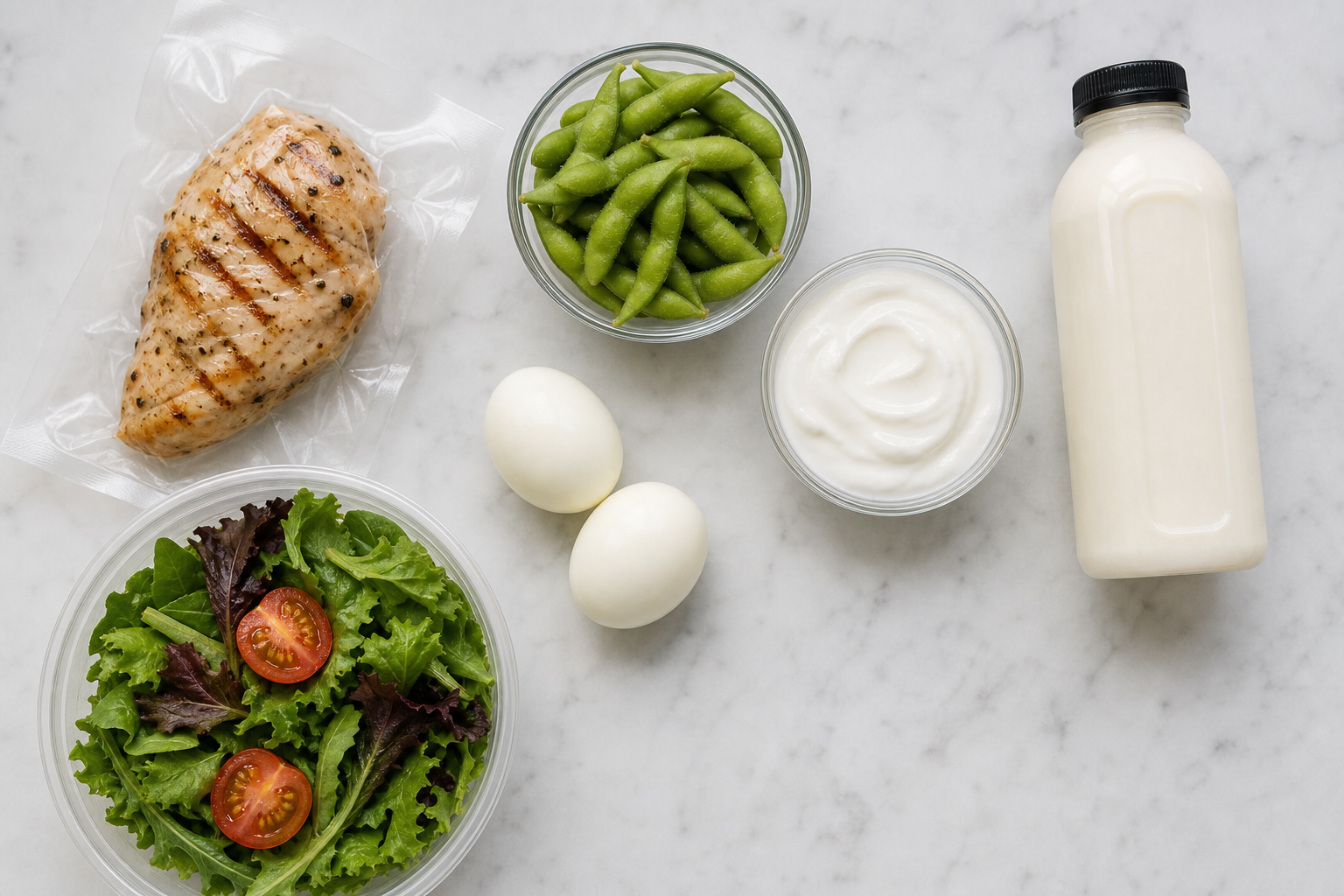
If you want to know how to accurately count calories, you have probably already tried counting and felt let down. You logged your meals, you stayed under your number, and nothing happened. So either the rules are broken, or you are. Neither is true. The energy balance still works the way it always has, which you can read about in our guide to CICO explained. The numbers you fed into it were just soft.
This is the most common stall I see, and it has a boring fix. Not more willpower. More accuracy, for a short while, on the few things that actually move the count.
Why your count is probably off (and it is not your fault)
People hear "you are undercounting" and feel accused of lying. That is not what is happening. The research on self-reported intake is consistent and a little uncomfortable: people routinely report eating hundreds of calories less than they actually do, and they are not cheating. They genuinely believe their numbers.
The gap comes from physics being precise while your eye is not. A tablespoon of olive oil is around 120 kcal, but the pour you call "a little" is often two or three tablespoons. A handful of nuts can be 200 kcal or 350 kcal depending on the hand. The "medium" bowl of pasta is usually a large one. None of this feels like a lot. Stacked across a day, it is easily the difference between a real deficit and breaking even.
This is why I keep pointing at behavior and environment instead of discipline. If guessing is easy and weighing is hard, you will guess, and guessing always rounds down. Make the accurate choice the easy one and the count gets honest on its own.
The hidden-calorie culprits
Almost all of the missing calories hide in the same handful of places. These are the ones people forget, eyeball badly, or do not think of as food at all.
| Where it hides | Why it gets missed |
|---|---|
| Cooking oil and butter | Feels like equipment, not food. One real pour can be 200 to 300 kcal that never gets logged. |
| Sauces and dressings | A "healthy" salad with two big spoons of dressing can carry more calories than the meal it is on. |
| Drinks | Juice, lattes, soda, alcohol. Liquid calories do not register as eating, so they skip the log entirely. |
| Bites, licks, tastes (BLTs) | The cheese while cooking, the kids' leftovers, the spoon of peanut butter. Each feels like zero. Together, real numbers. |
| Eyeballed portions | Nuts, cheese, grains, meat, nut butters. Calorie-dense foods where a small visual error is a large calorie error. |
Notice the pattern. The worst offenders are calorie-dense and easy to mismeasure, or they do not feel like food at all. That is exactly where a little accuracy pays off the most.
The accuracy habits that actually work
You do not need to log perfectly. You need to close the gap on the things that drive it. Five habits do most of the work.
- Weigh, do not eyeball. A cheap kitchen scale is the single highest-leverage tool here. Weigh the calorie-dense stuff first: oil, nuts, cheese, grains, meat, nut butters. Cups and "handfuls" are where the error lives. Grams do not lie.
- Log the fats and the liquids. Oil, butter, dressings, and drinks are the most-skipped, highest-impact items. Count the oil in the pan, the dressing on the salad, the milk in the coffee, the beer with dinner. This alone fixes a lot of stalls.
- Catch the BLTs. Bites, licks and tastes feel like nothing, so they never get logged. For two weeks, log them anyway. You are not trying to eliminate them, just to see them. Most people are surprised.
- Pick accurate database entries. Tracking apps are full of wrong, user-submitted entries. Prefer entries with a verified badge, match the brand and the gram weight, and be suspicious of anything that looks suspiciously low. A bad entry makes careful weighing pointless.
- Log before you eat, not after. Logging first turns the number into a decision instead of a regret, and it stops the "I will remember it later" meals that quietly never get entered.
If you do not yet have a target to aim at, set one with our TDEE calculator, then read how many calories you should eat to lose weight so the number you are tracking against is sane to begin with.
When you can stop, or loosen
Here is the part most calorie-counting advice leaves out. You do not have to do this forever. Precision is a tool to calibrate your eye, not a way of life.
Weigh and log carefully for a few weeks. The goal is not to track every gram until the end of time. It is to learn what your actual meals cost, so your "medium portion" becomes an accurate one. Once you can look at your normal plates and roughly know the number, you have what you came for. Then you can weigh less often, log the high-risk items only, and check back in with the scale if your weight starts drifting.
If you do all this honestly and the scale still will not move, the issue is probably timeline and expectations, not tracking. Read why a calorie deficit is not always losing weight on a given week, because water, gut contents, and normal fluctuation hide real fat loss for days at a time.
The behavior angle: make logging easy, not a chore
The reason most people quit tracking is not laziness. It is friction. If logging a meal takes five minutes of searching and guessing, you will skip it on the busy days, which are exactly the days the count matters most.
So lower the friction on purpose. Eat the same few meals often, so you log them once and reuse them. Build a short list of foods you already know the numbers for. Keep the scale on the counter where you can see it, not in a drawer. The less you have to decide and search, the more honest your log stays, and the longer you keep doing it.
There is no shame in any of this. I have been the overweight one, sure I was doing everything right, staring at a stuck scale. The fix was never trying harder. It was making the accurate choice the easy one, just long enough to learn what my food actually cost. After that, the counting mostly took care of itself.
Skip the counting entirely.
The 711 Diet is the physician-built system: which exact convenience-store products to grab, in which combo, at which calorie tier. The portions are fixed and the math is already done, so there is nothing to weigh and nothing to undercount.
Get The 711 Diet Protocol →Do I need a food scale to count calories accurately?
For a few weeks, yes, it helps a lot. Eyeballing portions is where most of the error comes from, often a 20 to 50 percent gap. A cheap kitchen scale removes the guessing on the foods that matter most: oils, nuts, cheese, grains, meat. Once your eye is calibrated, you can weigh less often and still stay close.
Why am I in a calorie deficit but not losing weight?
Usually because the deficit is smaller than it looks. People undercount intake by hundreds of calories a day without lying once, mostly through cooking oil, dressings, drinks, and bites while preparing food. The physics still holds. Tightening accuracy for a couple of weeks usually exposes the hidden calories.
How long do I have to count calories?
Not forever. Precision is a tool to calibrate your eye, not a personality. Most people only need a few weeks of careful weighing and logging to learn what their normal meals cost. After that you can loosen the tracking and rely on repeatable portions, checking in again only if the scale drifts.