Water Weight Explained (Like You're Five)
Here is the straight answer: water weight is real water your body is holding right now. It is not fat. It swings up and down by 1 to 2 kg from one day to the next, and that is the main reason the scale lies to you in the short term.
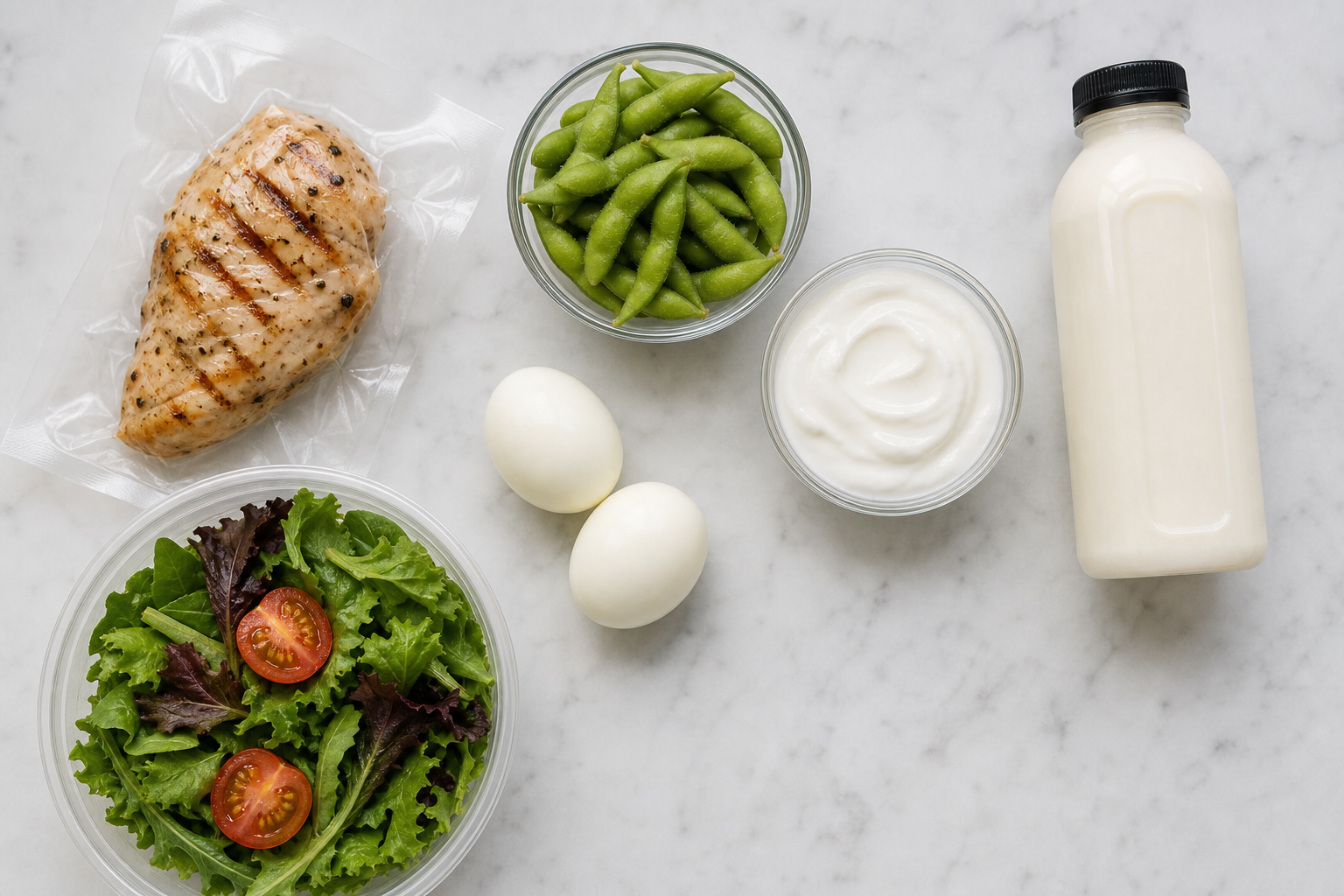
If you weighed yourself this morning and the number went up 1.5 kg overnight, you did not gain fat overnight. That is physically impossible. To store one kilo of fat your body needs roughly 7000 extra calories on top of what you burned, and you did not eat 7000 surprise calories in your sleep. What changed is water. Your body is mostly water, and the amount it holds moves around constantly. Once you understand that, the scale stops being scary and starts being useful.
What water weight actually is
Your body holds water in your muscles, your blood, and the spaces between your cells. The amount it holds is not fixed. It rises and falls based on a few simple things, and none of them are fat.
- Carbs and glycogen. Your body stores carbohydrate as glycogen in your muscles and liver. Every gram of glycogen pulls in roughly 3 grams of water with it. So when you eat more carbs, you store more glycogen, and that glycogen drags water along. A big bowl of rice or pasta can add a kilo on the scale that is mostly stored fuel and water, not fat.
- Salt (sodium). Salt makes your body hold on to water to keep the salt diluted. Eat a salty meal and you carry a little more water for a day or two until your kidneys catch up. This is normal and temporary.
- Everyday life. A hard workout causes small muscle repair that holds water. Poor sleep, stress, alcohol, and for women the menstrual cycle all shift how much water you hold. All of it is water moving around, not fat arriving or leaving.
So water weight is not a trick or a mystery. It is real water, doing its real job, in a body that is mostly made of water.
Why the scale jumps overnight
Picture two mornings. Monday you ate light and low on salt, and the scale says 80.0 kg. Tuesday you had a salty dinner, a few carbs, and a glass of wine, and the scale says 81.4 kg. Did you gain 1.4 kg of fat in a day? No. You are holding more water and you still have food and fluid moving through you. By Thursday it is usually gone again.
This is why a single weigh-in tells you almost nothing. The day-to-day number is mostly noise: water, salt, carbs, what is still in your gut. The signal, the actual fat trend, is much quieter and slower, and you can only see it by zooming out over weeks. One reading is a snapshot in a storm. The trend is the weather.
Water weight vs fat loss (the whoosh)
Here is the part that confuses people the most. You can do everything right for a week, stay in a deficit, and the scale does not move. You feel like a failure. Then one random morning it drops 1 kg overnight. People call this the "whoosh." What is really happening is that fat cells, as they empty, can temporarily fill with water before releasing it. So the fat loss was happening the whole time, it was just hidden behind water sitting in the cells. When that water finally lets go, the scale catches up in one jump.
The lesson is not to chase the whoosh. The lesson is that fat loss and scale movement do not happen on the same schedule. Fat leaves steadily and quietly. Water hides it, then reveals it in clumps. If you only trust the daily number, you will quit during a stall that was actually working.
| Water weight | Fat loss | |
|---|---|---|
| How fast | Hours to a day or two | Slow, over weeks |
| Size of swing | 1 to 2 kg up or down | Roughly 0.3 to 0.7 kg of real fat per week |
| What moves it | Salt, carbs, sleep, hormones, training | A genuine calorie deficit over time |
| Comes back? | Yes, the moment you eat carbs or salt | No, unless you eat above maintenance again |
When you start a diet you lose water first
This explains the classic first week. Someone cuts carbs and calories, the scale drops 2 to 3 kg in a few days, and they think they are losing fat fast. They are not, at least not yet. When you eat fewer carbs, your body burns through its stored glycogen for fuel, and remember each gram of glycogen was holding about 3 grams of water. Burn the glycogen, release the water. That is where the fast early drop comes from. It is encouraging, and it is fine to enjoy it, just know it is mostly water.
The flip side matters more, because it is where people panic. The day you eat carbs again, a holiday meal, a weekend, a refeed, your body refills that glycogen and pulls the water back in. The scale jumps 1 to 2 kg overnight and people think they "undid" their progress. You did not. You refilled a fuel tank. The fat you actually lost is still gone.
How to stop panicking about it
You cannot stop your body from holding water. That is not a flaw, it is how you stay alive. What you can change is how you read the scale, so a normal water swing stops ruining your week.
- Watch the weekly trend, not the daily number. Weigh yourself the same way most mornings, after the toilet, before food, then look at the weekly average. Two weeks of averages tells the truth. One Tuesday morning tells you nothing.
- Expect the swings. A 1 to 2 kg bounce is normal and meaningless. When you stop reacting to it, it stops having power over you.
- Do not eat less because of a water jump. Punishing yourself for water you did not gain is how good plans fall apart. The number will settle on its own.
- Know what is fixable and what is not. If you want a calmer scale, drink enough water, keep salt and carbs roughly steady, and sleep. But honestly, the simplest fix is to just stop staring at the daily number.
None of this is about willpower or being "good." Your body holds water for sensible reasons and lets it go on its own timeline. If you want to know how much real fat loss is actually realistic in a month, the honest numbers are in our how much weight can you lose in a month guide. And if you have been in a deficit but the scale will not move, water is often the reason, which we cover in calorie deficit but not losing weight. To set a sane target in the first place, run your numbers through the TDEE calculator.
Stop guessing what to eat.
The 711 Diet is the physician-built system: which exact convenience-store products to grab, in which combo, at which calorie tier. No cooking, no tracking, no math.
Get The 711 Diet Protocol →What is water weight in simple terms?
Water weight is the real water your body holds in muscle, blood and tissue. It is not fat. It moves up and down by 1 to 2 kg day to day depending on carbs, salt, sleep and hormones, which is why the scale can change overnight with no change in fat.
Why does my weight jump up overnight?
Almost always water and food in transit, not fat. A salty meal, more carbs, a hard workout, or bad sleep all make you hold a bit more water. A kilo of fat needs about 7000 extra calories, so an overnight 1 kg jump is water, not fat.
Is losing water weight the same as losing fat?
No. The first few kilos when you start a diet are mostly water, because you burn through stored carbohydrate (glycogen) and release the water bound to it. Fat loss is slower and steadier, and water comes back the moment you eat carbs again. Fat does not.